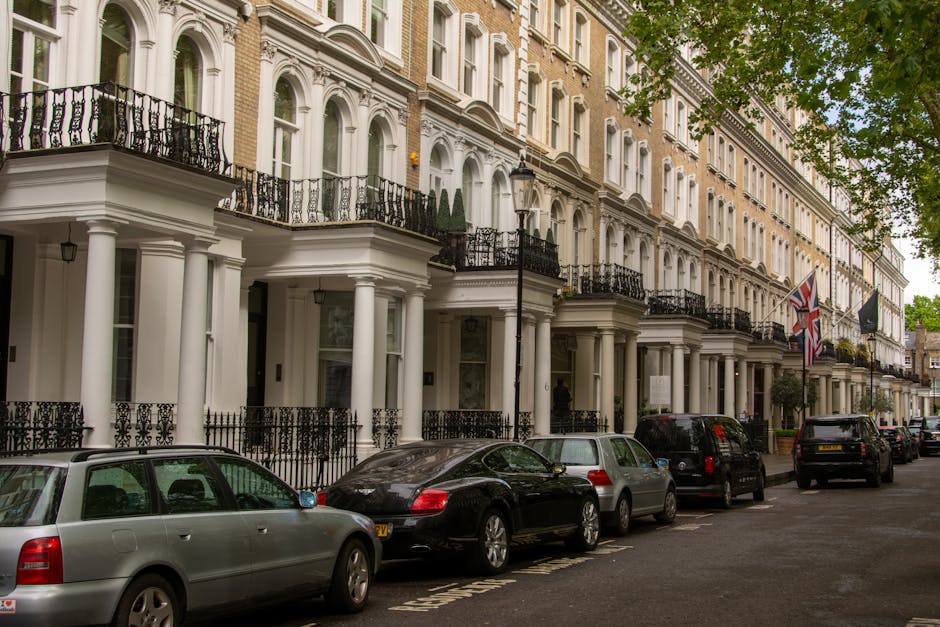
Elizabeth Street moving service parking rules in Belgravia: a practical guide for smoother moving days
If you are planning a move on or near Elizabeth Street in Belgravia, parking is rarely a small detail. In practice, it can be the difference between a calm, efficient move and a day full of double-parking stress, last-minute shuffling, and frustrated neighbours. Elizabeth Street moving service parking rules in Belgravia matter because the street sits in a busy central London environment where space is limited, timing is tight, and access needs to be thought through properly.
Whether you are moving a flat, handling a townhouse relocation, or arranging a small office transfer, the parking side of the job deserves the same attention as the packing. This guide breaks down what usually needs to happen, how moving-day parking is commonly managed, where the risks tend to appear, and how to plan it all without turning the morning into a scramble. Truth be told, a little preparation here saves a lot of trouble later.
For readers who are also comparing service options, it can help to look at the wider support available through man with van services, removals, or house removals before you lock in the day itself.
Table of Contents
- Why Elizabeth Street moving service parking rules in Belgravia matters
- How Elizabeth Street moving service parking rules in Belgravia works
- Key benefits and practical advantages
- Who this is for and when it makes sense
- Step-by-step guidance
- Expert tips for better results
- Common mistakes to avoid
- Tools, resources and recommendations
- Law, compliance, standards, or best practice
- Options, methods, or comparison table
- Case study or real-world example
- Practical checklist
- Conclusion
- Frequently asked questions
Why Elizabeth Street moving service parking rules in Belgravia Matters
Elizabeth Street is not the kind of place where you can assume a van will simply stop outside the property and stay there as long as needed. Belgravia's streets tend to be narrow, visually busy, and sensitive to congestion. On top of that, residents, deliveries, trades, and visitors all compete for the same roadside space. So when a moving vehicle arrives without a parking plan, everything becomes slower.
Parking rules matter for three reasons. First, they help prevent unnecessary disruption to neighbours and nearby businesses. Second, they reduce the chance of fines, penalties, or vehicle relocation issues. Third, they protect the move itself, because every extra minute spent circling the block is another minute where boxes sit in the rain, furniture waits on the pavement, or the team loses momentum.
There is also a practical safety side. In a busy London street, poor parking can force lifting through awkward distances, increase the risk of trips and knocks, and make it harder to load fragile items properly. If you have ever watched a sofa hover halfway on a pavement while someone tries to squeeze a van into a tight gap, you will know the feeling. Nobody enjoys that scene.
Expert summary: If you remember only one thing, make it this: on Elizabeth Street, moving success depends as much on parking and access planning as it does on the packing list.
How Elizabeth Street moving service parking rules in Belgravia Works
In plain English, moving-day parking usually involves checking whether the vehicle can legally stop, load, or wait near the property for the time needed. The exact arrangement will depend on the road layout, the size of the van, the property entrance, the time of day, and whether any restrictions apply to loading or waiting.
In central London, moving vehicles may need to use designated loading space, resident bays, single yellow lines at permitted times, or another lawful stopping arrangement. But here is the key thing: what is possible on paper is not always what works in real life. A bay that seems usable may already be occupied, or access may be blocked by another vehicle just as the crew arrives. That is why good preparation matters so much.
Typically, a moving service will think through the route, the van position, the distance from vehicle to door, and whether the crew needs a second person to manage loading more efficiently. If the property has a narrow entrance, shared access, or a basement or upper-floor walk-up, the parking plan becomes even more important. To be fair, this is where experienced local movers earn their keep.
For larger or more complex moves, it can also make sense to consider an appropriate vehicle type such as a moving van or removal van, because the right size vehicle can reduce the number of unload/load passes needed.
One more practical point: in some cases, the best parking solution is not the closest possible stop, but the stop that allows the move to happen cleanly, legally, and without constant repositioning. That may sound obvious. It often gets forgotten in the rush.
Key Benefits and Practical Advantages
Getting parking right on Elizabeth Street brings a few real advantages that are easy to underestimate until moving day arrives.
- Faster loading and unloading: fewer steps from van to front door means less time and less physical strain.
- Lower risk of delay: a parked, legal vehicle can stay put while the crew works instead of repeatedly moving.
- Better safety: less carrying over long distances reduces the chance of dropped items and awkward lifts.
- Less stress for residents and neighbours: tidy access and clearer parking choices create less friction.
- Better protection for furniture: sofas, mirrors, monitors, and boxes are handled more smoothly when the crew is not rushed.
There is another benefit people do not always mention: better parking planning usually makes the whole move feel more professional. It gives the sense that the day is under control. That matters, especially if you are already juggling cleaners, key handover timing, or a lease deadline.
If you are planning a home move, the wider service mix available through home moves and house movers can be useful when comparing how different crews handle access, parking, and timing.
Who This Is For and When It Makes Sense
This topic is relevant to anyone moving to, from, or within Elizabeth Street and the surrounding Belgravia area. That includes flat moves, townhouse relocations, downsizing moves, furniture deliveries, and business moves that need careful access management.
It makes the most sense if any of the following apply:
- your property is on a narrow or busy street
- the van will need to stay close to the entrance
- you expect heavy or fragile items
- you are moving during peak daytime hours
- you need the crew to work quickly because of building access rules
- you are coordinating with porters, landlords, or management teams
It is also relevant if you are comparing whether a man and van setup is enough, or whether a more structured removal service is the safer choice. Sometimes a small van is perfect. Sometimes it is the wrong answer and causes more trips than it saves. That part deserves honest thinking, not wishful thinking.
Businesses should pay special attention too. For office and studio moves, parking access affects everything from monitor transport to the movement of filing units and chairs. If that sounds familiar, the more tailored approach of office removals or commercial moves may be the better fit.
Step-by-Step Guidance
- Check the property access first. Look at the entrance, kerb, pavement width, and whether the van can stop close enough for safe loading. A beautiful street can still be awkward for removals.
- Confirm likely parking restrictions. Look for loading rules, bay restrictions, single yellow lines, and any local timing limits that might affect the moving window.
- Choose the right vehicle size. A van that is too large may struggle to park; a van that is too small may need multiple trips. Neither option is ideal.
- Plan the arrival time carefully. Earlier or quieter periods can sometimes be easier, but the best slot depends on local conditions and the building's access rules.
- Prepare the loading route. Keep hallways clear, stage boxes near the exit, and protect door frames or shared areas if needed.
- Coordinate with anyone controlling access. That may be a concierge, estate manager, landlord, or neighbour sharing the entrance.
- Use the parking space efficiently. Once the vehicle is in place, keep loading organised so there is no unnecessary movement.
- Do a final check before leaving. Make sure nothing has been left on the pavement, in the bay, or behind the vehicle.
A small but valuable tip: take a few photos of the frontage and parking area before the move. Not because you expect a problem, but because it helps everyone stay on the same page if access turns out to be tighter than expected.
And yes, sometimes the final two metres are the most annoying two metres of the whole job.
Expert Tips for Better Results
Experienced movers tend to focus on small decisions that make the day calmer. Those decisions add up.
Start with the van placement, not the boxes. If the vehicle is not positioned well, everything else becomes harder. A few extra minutes spent getting the stop right often saves half an hour later.
Think in terms of carry distance. On a narrow street, the true challenge is often how far the team must walk between the vehicle and the doorway. Reducing that distance is usually worth more than chasing the absolutely closest kerb space.
Use a loading order. Heavy and awkward items should move first if the route is clear. Smaller boxes can then fill the gaps. That is simple, but it works.
Keep one person free for access issues. Someone should be ready to answer the door, manage a gate, or speak to a parking attendant if needed. In busy central areas, that single person can save a lot of faff.
Build in a cushion. A move that looks like a one-hour job can stretch quickly if access is awkward. Leave a little breathing space in the schedule, because Belgravia can be unforgiving if everything is timed too tightly.
If you want a more complete service experience, options such as packing and unpacking services can also reduce the number of awkward decisions on the day, especially when the move is time-sensitive.
Common Mistakes to Avoid
Some of the most common problems are very ordinary. That is what makes them so frustrating.
- Assuming the vehicle can stop anywhere: central London is not the place to guess.
- Leaving parking until the last minute: by then, you are stuck reacting rather than planning.
- Choosing the wrong van size: too big or too small both create inefficiency.
- Not accounting for shared entrances: a grand front door is not automatically easy access.
- Forgetting timing restrictions: some streets are friendlier at certain hours than others.
- Underestimating loading time: especially when stairs, lift waits, or fragile items are involved.
- Failing to brief the moving crew: if they do not know the access quirks, they cannot plan around them.
Another common mistake is treating parking as separate from the move itself. It is not separate. It is part of the move. And on streets like Elizabeth Street, it may be one of the main parts.
Tools, Resources and Recommendations
You do not need a complicated toolkit to plan parking well, but a few simple resources can help.
- Property access notes: write down gate codes, concierge times, and any entrance instructions.
- Street-level observation: if possible, view the road at the same time of day as your move. Morning and afternoon can feel very different.
- Vehicle dimensions: know the approximate size of the van before choosing a parking spot.
- Inventory list: a clear item list makes it easier to estimate load time.
- Photo reference: pictures of the frontage, bays, and entrance can be surprisingly useful.
For readers looking to compare service standards, the company's own policies can also matter. Pages such as health and safety policy and insurance and safety are worth reviewing when you want a clearer sense of how a mover handles risk, equipment care, and operational responsibility.
If pricing and payment planning are part of your decision, you can also review pricing and quotes and payment and security to understand how the move is likely to be handled commercially. Nice and boring, maybe. But helpful.
Law, Compliance, Standards, or Best Practice
This is one of those topics where careful wording matters. Parking and loading arrangements are governed by local road rules, signage, and any applicable restrictions for the street or bay in question. Because those details can change by location and time, it is sensible to verify the specific arrangements before the move rather than rely on assumptions.
Best practice in London moving work usually includes the following:
- check the street restrictions in advance
- avoid blocking traffic or pedestrian access
- use lawful loading and waiting arrangements only
- protect residents, property, and public areas during loading
- keep the move organised to reduce street disruption
Professional movers should also work in line with their internal safety procedures, insurance arrangements, and operational controls. That matters because even a routine domestic move can create risks if a van is left in the wrong place or heavy items are handled across an unsafe route. If you are comparing providers, asking how they manage access and parking is perfectly reasonable. In fact, it is a smart question.
For added reassurance, you may also want to review terms and conditions, about us, and, if needed, the company's complaints procedure. That gives you a clearer picture of expectations, accountability, and what happens if something does not go to plan.
Options, Methods, or Comparison Table
Different parking approaches suit different moving situations. There is no one-size-fits-all answer, despite what some people hope at 8:00 a.m. on moving day.
| Option | Best for | Strengths | Limitations |
|---|---|---|---|
| Closest legal roadside stop | Short domestic moves with light loads | Fast access, simple loading | May be unavailable or tightly restricted |
| Pre-planned loading position | Moves needing better control and timing | More reliable workflow, fewer surprises | Requires advance checking and coordination |
| Smaller van with multiple short trips | Very tight streets or smaller loads | Easier to park, more flexible | Can take longer and increase labour |
| Larger removal vehicle | Bigger home or office moves | Fewer trips, higher capacity | Harder to position on narrow streets |
If you are unsure which option fits best, the right answer usually comes down to access, volume, and time pressure. For a compact flat move, a man with a van arrangement may be enough. For larger or more fragile loads, a more structured removal company approach may be better. Not glamorous, but practical.
Case Study or Real-World Example
Imagine a typical Belgravia move on Elizabeth Street: a two-bedroom flat, a few heavy pieces of furniture, several boxes of books, and a narrow entrance that opens directly onto the street. The property looks manageable from the outside, but the curb space is busy by late morning. There is also a neighbouring delivery turning up just as the van arrives.
In a rushed version of this move, the crew might end up parking too far away, carrying items over a longer route, and pausing every few minutes to adjust the van. That sounds small, but it slows everything down. The result is a louder, more tiring day with more pressure on everyone involved.
In a better-planned version, the team arrives with a clear access plan, the items are staged inside, the vehicle size matches the street conditions, and the loading window has a bit of slack built in. Nothing magical happens. It is just calmer. The sofa goes out safely, the mirrors are wrapped properly, and the move finishes without the feeling that everyone has been wrestling the street all morning.
That is usually what good parking planning looks like in real life: not dramatic, just smoother.
Practical Checklist
Use this before moving day. Print it, screenshot it, scribble it on the back of an envelope. Whatever works.
- Confirm the exact property address and entrance used for loading
- Check the street restrictions and likely parking options
- Choose the right van or removal vehicle size
- Tell the crew about stairs, lifts, gate codes, and access quirks
- Stage boxes and furniture near the exit
- Keep hallways and shared areas clear
- Allow extra time for tight parking or short delays
- Make sure someone is available to manage access on the day
- Protect floors, door frames, and delicate furniture corners
- Review the final load order before the van leaves
Quick takeaway: the best Elizabeth Street move is usually the one that looks boring from the outside. Clear plan, legal stop, steady pace. That is the good stuff.
Conclusion
Elizabeth Street moving service parking rules in Belgravia are not just an administrative detail. They shape how quickly a move happens, how safe it feels, and how much pressure lands on everyone involved. When the parking side is handled well, the rest of the day tends to feel lighter. When it is handled badly, the knock-on effects show up immediately.
The smartest approach is simple: check access early, choose the right vehicle, plan the loading route, and keep the move compliant with local restrictions. If you do that, you give yourself a much better chance of a clean, efficient move with fewer surprises. And honestly, in a place like Belgravia, that is worth the effort.
If you are still at the planning stage, compare your options carefully and choose the setup that matches the street, the property, and the size of your move. A bit of thought now can save a lot of hassle later.
Get a free quote today and see how much you can save.
Sometimes the quietest moving days are the best ones. That is usually the goal.
Frequently Asked Questions
What are the main parking concerns for a move on Elizabeth Street in Belgravia?
The main concerns are street restrictions, limited curb space, access to the front door, and whether the van can stop legally close enough for safe loading. In busy central London streets, those four things shape almost everything else.
Do I need to arrange parking in advance for a Belgravia move?
It is strongly advisable to plan parking in advance, even if the final arrangement depends on the street conditions on the day. Advance planning helps avoid delays and reduces the risk of last-minute problems.
Can a moving van wait outside while we load?
That depends on the local parking restrictions and whether the vehicle is in a lawful loading or waiting position. You should not assume a van can simply wait outside without checking the rules first.
Is a small van better than a larger removal truck for Elizabeth Street?
Not always. A smaller van is easier to park, but it may need more trips. A larger vehicle may reduce trips but be harder to position on a narrow street. The best choice depends on the move size and access.
What happens if another car is parked in the best loading spot?
The crew may need to adjust the plan, wait briefly, or use an alternative legal stop nearby. This is one reason why good moving services build in a little flexibility.
Are loading and parking the same thing?
No. Parking refers to where the vehicle is positioned and whether it is allowed to stop there. Loading refers to the movement of items into or out of the vehicle. They are connected, but not identical.
How early should movers arrive for a Belgravia street like this?
That depends on the property, the number of items, and the time of day, but earlier arrival is often helpful when access is tight. The key is not just arriving early, but arriving with a workable plan.
Can parking issues make a move more expensive?
They can, indirectly. If parking is awkward, the move may take longer, require more labour, or involve a different vehicle setup. That is why access planning often matters as much as the packing.
What should I tell my moving company before the day?
Tell them about the property entrance, any stairs or lifts, gate codes, parking concerns, time restrictions, and anything that could affect vehicle access. A few clear notes up front make a big difference.
Is it worth using packing services if parking is difficult?
Yes, it can be. If parking is tight, professional packing can speed up the move and reduce the number of trips between the vehicle and the property. That can make the whole process smoother and less tiring.
What is the best way to avoid parking-related delays?
Check the access conditions early, choose the right vehicle, schedule the move carefully, and keep the loading route clear. Simple, but effective. Most delays happen when one of those steps is skipped.
Where can I compare different moving support options?
You can review pages such as removals near me and removals van to compare service types, then decide what suits your street access and move size best.